Showing posts with label good habits. Show all posts

Thursday, 9 August 2007

10 Tips on Leading a Balanced Life - Revisted.

Part two of the summer re-runs of popular posts is this one about a balanced life. Like all the life hacks and tips I write about, these are things I strive towards. I never pretend to have it all figured out by any means.

As usual let me know what you think..
Allen

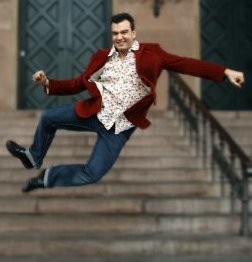
Photo By N. Ireland Wallpapers / Desktop Backgrounds

Balance is important. When one aspect of our life becomes too dominant we loose that balance and experience conflict and unhappiness. It’s not easy and sometimes it feels like a juggling match but if we develop some healthy habits it is possible to achieve balance in a relaxed and calm way. Don’t forget the amount of time you devote to each aspect of your life will undergo fluctuation. It’s all a matter of realizing the natural flow of life and giving the right amount of attention to all aspects of our day to day living. So here I present my own ten tips on leading a balanced life.

1) Go home from work on time.
You need to look after yourself. Contrary to what the current culture will tell you – we are not machines. You need a healthy balance between the time you spend at work and the time you spend outside the work place. You need to be constantly reminded that there is more to life than work. (Although there will be some times you might have to work late in case of emergencies but they should be the exceptions and not the norm.)

2) Don’t be a yes person.
This follows on from point number one. You will find it easier to go home on time when you don’t agree to every single thing that is asked of you. Your inbox will never be empty – only agree to things that you can manage and that do not interfere with point 1.

3) Go to bed and get up at the same time everyday.
Treat this as your foundation for a more balanced life. Creating a natural rhythm to your day will go a long way to creating balance in your life. You will feel more rested and grounded in reality and less overwhelmed by events that happen during the day.

4) Slow down.
Consciously slow down. Walk slower, drive slower, talk slower. Notice things as you walk. Notice the tree that you pass by each day on the way to work and how it changes color with the seasons. Notice the fresh smell of morning and feel the warm sunshine on your face during the day (or the rain pelting of your face if you live in Ireland) :). Become more aware and awake in general and take your time over your day. Practice some form of daily relaxation exercise such as meditation, yoga or progressive muscle relaxation. Slow down - it is not a race you know!

5) Don’t buy into the culture around you if you don’t want to.
24-7 News (mostly bad news), the pressures of work, the go go go of modern life – this is what the media likes to tell us about our culture. That is not MY culture. I don’t agree with it and I don’t buy it. I am a human being and unique with my own feelings and needs – I don’t have to buy into something if it violates my values.

6) Create your own sub-culture involving your friends and family.
Surround yourself with people you like and who like you back. Create you own subculture of activities. Leave the couch and TV and go out and meet people be it through reading groups, charity work, nature rambles and more!

7) Recognize you have the right to be healthier than those around you.
Again don’t buy into the bad habits of other people. If everyone else around you drink too much coffee – that doesn’t mean you have to. If your colleagues at work love to eat fried foods at lunch – that doesn’t mean you have to. If your peers don’t bother to exercise that doesn’t mean you have to. Look after yourself!

8) Do something meaningful with your spare time.
Volunteer and do something that suits your personality. Not everyone can have the qualities that are required to go visit and talk to the elderly for example. Find out what skills you have (everyone has them!) and see how you could use those skills to help others.

9) Let go of the need to buy the next big thing.
If you let go of the cravings to keep consuming and buying things you don’t need then you might not feel you have to work such long hours. Why do you need that car? Is it something you really NEED or just something you think would be nice to have. Don’t forget about all those items you bought and you thought they were great to begin with. You were feeling empty and you thought that this might make your life more exciting or make you feel a bit better. Then the novelty wears off and you have that empty feeling inside that you had before you bought it in the first place. Why do you feel you need to keep up with the neighbors? If they get a big 4 X 4 does that mean you have to? Ask yourself why you feel you have to do that?

10) Develop compassion, patience and tolerance for your fellow people.
Happiness comes from relationships you have with people. We are all very complicated and can have our negative aspects. Developing compassion, patience and tolerance for others will go a long way to having better relationships with people. Accepting how different we all are is the starting point the rest is up to you!

What methods for addressing balance in your life worked for you? Let me know by leaving a comment below!

Good luck,
Allen

10 Tips on Leading a Balanced Life - Revisted.

Part two of the summer re-runs of popular posts is this one about a balanced life. Like all the life hacks and tips I write about, these are things I strive towards. I never pretend to have it all figured out by any means.

As usual let me know what you think..
Allen

Photo By N. Ireland Wallpapers / Desktop Backgrounds

Balance is important. When one aspect of our life becomes too dominant we loose that balance and experience conflict and unhappiness. It’s not easy and sometimes it feels like a juggling match but if we develop some healthy habits it is possible to achieve balance in a relaxed and calm way. Don’t forget the amount of time you devote to each aspect of your life will undergo fluctuation. It’s all a matter of realizing the natural flow of life and giving the right amount of attention to all aspects of our day to day living. So here I present my own ten tips on leading a balanced life.

1) Go home from work on time.
You need to look after yourself. Contrary to what the current culture will tell you – we are not machines. You need a healthy balance between the time you spend at work and the time you spend outside the work place. You need to be constantly reminded that there is more to life than work. (Although there will be some times you might have to work late in case of emergencies but they should be the exceptions and not the norm.)

2) Don’t be a yes person.
This follows on from point number one. You will find it easier to go home on time when you don’t agree to every single thing that is asked of you. Your inbox will never be empty – only agree to things that you can manage and that do not interfere with point 1.

3) Go to bed and get up at the same time everyday.
Treat this as your foundation for a more balanced life. Creating a natural rhythm to your day will go a long way to creating balance in your life. You will feel more rested and grounded in reality and less overwhelmed by events that happen during the day.

4) Slow down.
Consciously slow down. Walk slower, drive slower, talk slower. Notice things as you walk. Notice the tree that you pass by each day on the way to work and how it changes color with the seasons. Notice the fresh smell of morning and feel the warm sunshine on your face during the day (or the rain pelting of your face if you live in Ireland) :). Become more aware and awake in general and take your time over your day. Practice some form of daily relaxation exercise such as meditation, yoga or progressive muscle relaxation. Slow down - it is not a race you know!

5) Don’t buy into the culture around you if you don’t want to.
24-7 News (mostly bad news), the pressures of work, the go go go of modern life – this is what the media likes to tell us about our culture. That is not MY culture. I don’t agree with it and I don’t buy it. I am a human being and unique with my own feelings and needs – I don’t have to buy into something if it violates my values.

6) Create your own sub-culture involving your friends and family.
Surround yourself with people you like and who like you back. Create you own subculture of activities. Leave the couch and TV and go out and meet people be it through reading groups, charity work, nature rambles and more!

7) Recognize you have the right to be healthier than those around you.
Again don’t buy into the bad habits of other people. If everyone else around you drink too much coffee – that doesn’t mean you have to. If your colleagues at work love to eat fried foods at lunch – that doesn’t mean you have to. If your peers don’t bother to exercise that doesn’t mean you have to. Look after yourself!

8) Do something meaningful with your spare time.
Volunteer and do something that suits your personality. Not everyone can have the qualities that are required to go visit and talk to the elderly for example. Find out what skills you have (everyone has them!) and see how you could use those skills to help others.

9) Let go of the need to buy the next big thing.
If you let go of the cravings to keep consuming and buying things you don’t need then you might not feel you have to work such long hours. Why do you need that car? Is it something you really NEED or just something you think would be nice to have. Don’t forget about all those items you bought and you thought they were great to begin with. You were feeling empty and you thought that this might make your life more exciting or make you feel a bit better. Then the novelty wears off and you have that empty feeling inside that you had before you bought it in the first place. Why do you feel you need to keep up with the neighbors? If they get a big 4 X 4 does that mean you have to? Ask yourself why you feel you have to do that?

10) Develop compassion, patience and tolerance for your fellow people.
Happiness comes from relationships you have with people. We are all very complicated and can have our negative aspects. Developing compassion, patience and tolerance for others will go a long way to having better relationships with people. Accepting how different we all are is the starting point the rest is up to you!

What methods for addressing balance in your life worked for you? Let me know by leaving a comment below!

Good luck,
Allen
Monday, 21 May 2007

We'll see - A lesson in Judging a Situation.

Do not be so quick to judge a situation as either good or bad. I have been out of action with a viral infection which I could judge as bad but on the other hand it has given me time for reflection. There now follows a parable about not judging. Enjoy!

Allen


A farmer once had a horse run away. His neighbors were quite sympathetic saying, "How awful for you."

He replied, "We'll see."

His son went to find the horse and came back triumphantly riding the somewhat agitated steed. The neighbors joyfully exclaimed, "What joy; your horse has been found!"

The farmer calmly said, We'll see."

The farmer's son took it upon himself to break and train the temperamental horse and a few days passed. One morning, the son was thrown from the horse and broke his leg. It required setting and binding and he could not work on his father's farm in his condition.

The neighbors sadly pronounced, "How unfortunate for you: you will not have your son's help around the farm for several weeks. What a catastrophe!"

The farmer replied, "We'll see."

But one neighbor retorted, "How can you be so flippant about your son's predicament? I know for a fact that you will have to work late into the night to get all the chores done without his help. You may be in denial, but you DO have a serious problem!"

The farmer quietly said, "We'll see."

The following day, the emperor's guard arrived. They came because the Emperor decided it was time for military conscription. All elligible men would be drafted to go fight in the Emperor's latest border war. Because of his broken leg, the farmer's son was not carried off by the army. Because his horse was too unsettled, it was not conscripted. And because he had no horse or son to help him feed the rest of his family he was left to tend to his farm.

We'll see - A lesson in Judging a Situation.

Do not be so quick to judge a situation as either good or bad. I have been out of action with a viral infection which I could judge as bad but on the other hand it has given me time for reflection. There now follows a parable about not judging. Enjoy!

Allen


A farmer once had a horse run away. His neighbors were quite sympathetic saying, "How awful for you."

He replied, "We'll see."

His son went to find the horse and came back triumphantly riding the somewhat agitated steed. The neighbors joyfully exclaimed, "What joy; your horse has been found!"

The farmer calmly said, We'll see."

The farmer's son took it upon himself to break and train the temperamental horse and a few days passed. One morning, the son was thrown from the horse and broke his leg. It required setting and binding and he could not work on his father's farm in his condition.

The neighbors sadly pronounced, "How unfortunate for you: you will not have your son's help around the farm for several weeks. What a catastrophe!"

The farmer replied, "We'll see."

But one neighbor retorted, "How can you be so flippant about your son's predicament? I know for a fact that you will have to work late into the night to get all the chores done without his help. You may be in denial, but you DO have a serious problem!"

The farmer quietly said, "We'll see."

The following day, the emperor's guard arrived. They came because the Emperor decided it was time for military conscription. All elligible men would be drafted to go fight in the Emperor's latest border war. Because of his broken leg, the farmer's son was not carried off by the army. Because his horse was too unsettled, it was not conscripted. And because he had no horse or son to help him feed the rest of his family he was left to tend to his farm.

Friday, 4 May 2007

Know When to STOP Helping People

There is only so much you can do for people. You know somebody who is being self destructive. They are hurting themselves and others. You, out of compassion, have tried to help them.

You offered them advice.
You have listened to their suffering.
You have been there for them so many times until your patience has worn down to a stage of where you are very close to breaking.

You have done your best.

They have not changed.

You are tired.

Anything more and you will break.

It is time to stop.

When you reach the point as described above - you will still be helping them by stopping the direct help that you have given them. There is only so much you can do for people - at the end of the day they have to want change.

You wont be of any help to anyone if you burn out. So bear in mind that there might come a time - as a friend, brother, parent or spouse - when you will need to back away and hope that you have made a difference.

In the end people need to help themselves to change.


Allen

Know When to STOP Helping People

There is only so much you can do for people. You know somebody who is being self destructive. They are hurting themselves and others. You, out of compassion, have tried to help them.

You offered them advice.
You have listened to their suffering.
You have been there for them so many times until your patience has worn down to a stage of where you are very close to breaking.

You have done your best.

They have not changed.

You are tired.

Anything more and you will break.

It is time to stop.

When you reach the point as described above - you will still be helping them by stopping the direct help that you have given them. There is only so much you can do for people - at the end of the day they have to want change.

You wont be of any help to anyone if you burn out. So bear in mind that there might come a time - as a friend, brother, parent or spouse - when you will need to back away and hope that you have made a difference.

In the end people need to help themselves to change.


Allen

Friday, 13 April 2007

DON'T JUST SIT THERE - MOVE!

DON'T JUST SIT THERE - MOVE!
Photo By N. Ireland Wallpapers / Desktop Backgrounds


Quick tip for today:

While thinking about your posture at work - it is better to MOVE OFTEN than to SIT WELL.

Good Luck,
Allen

DON'T JUST SIT THERE - MOVE!

DON'T JUST SIT THERE - MOVE!
Photo By N. Ireland Wallpapers / Desktop Backgrounds


Quick tip for today:

While thinking about your posture at work - it is better to MOVE OFTEN than to SIT WELL.

Good Luck,
Allen

Friday, 6 April 2007

Great Blog About Workplace Happiness

I happened across this blog : Chief Happiness Officer.

This is a great blog about a very important topic. How can we be happy in work? After all we spend a sizable junk of our lives there.

Check it out and let me know what you think of it! I am very impressed by the no BS attitude and the open mindedness of the articles.

Here is what the site is about :
Happiness at work is a strange idea to many people, who have gotten used to the idea that work is unpleasant, tough and hard. Trust me, it doesn’t need to be that way at all. Work can be energizing, meaningful, inspiring and plain old fun. When it is, we enjoy work more, we enjoy life more and we get more done on the job.

Here are some good places to start reading about happiness at work:

Happy Hour is 9 to 5 - How to Love Your Job, Love Your Life and Kick Butt at Work - My first book about happiness at work.
The most popular articles on the site
Happy at work in six minutes - A short video about happiness at work featuring yours truly.
Make your business happy and rich - a good overview for leaders, entrepreneurs and business owners
This site is a rant-free zone. I enjoy reading or writing a good rant as much as the nex person, but there are just. so. many. on the net already. On this site I stick to writing about what I like and what makes me happy.


Do yourself a favour and check it out!

Allen

Great Blog About Workplace Happiness

I happened across this blog : Chief Happiness Officer.

This is a great blog about a very important topic. How can we be happy in work? After all we spend a sizable junk of our lives there.

Check it out and let me know what you think of it! I am very impressed by the no BS attitude and the open mindedness of the articles.

Here is what the site is about :
Happiness at work is a strange idea to many people, who have gotten used to the idea that work is unpleasant, tough and hard. Trust me, it doesn’t need to be that way at all. Work can be energizing, meaningful, inspiring and plain old fun. When it is, we enjoy work more, we enjoy life more and we get more done on the job.

Here are some good places to start reading about happiness at work:

Happy Hour is 9 to 5 - How to Love Your Job, Love Your Life and Kick Butt at Work - My first book about happiness at work.
The most popular articles on the site
Happy at work in six minutes - A short video about happiness at work featuring yours truly.
Make your business happy and rich - a good overview for leaders, entrepreneurs and business owners
This site is a rant-free zone. I enjoy reading or writing a good rant as much as the nex person, but there are just. so. many. on the net already. On this site I stick to writing about what I like and what makes me happy.


Do yourself a favour and check it out!

Allen

Friday, 9 March 2007

5 Concepts from Self Help Books that Worked for Me

Hi there,

The whole point of my blog was to show - anyone that was interested - that not all self help was constructive and not all self help was useless new age waffle.
I was thinking to myself the other day about what aspects of the self help books I have read lately that have found of beneficial to myself.

Here are the concepts I have found that have helped me and where I found them.

1) Life is difficult.

The very first words from the grandfather of self help "The Road Less Traveled" by M. Scott Peck. Life is indeed difficult and don't let anyone fool you into thinking otherwise. Suffering is unavoidable in life - it goes hand in hand with living. I learnt this from a very early age when my mother died from cancer. I have also learnt that a lot of suffering can make you stronger in the long run. Suffering can also allow you to empathize with the suffering of others and thus develop compassion for other people. You cannot avoid suffering.

2) Train your mind by avoiding cognitive distortions.

Recognize the kinds of irrational thinking that you, like everyone else, tend to engage in from time to time. Reducing your irrational thinking will often help you to become a happier person. This does not mean you should delude yourself into thinking everything is great when it clearly is not. No. What I mean is that there are some bad thinking habits that should be noted and changed. These habits include irrational beliefs or misinterpretations of external events. An example of an irrational belief would be that you feel you must be perfect in everything you do otherwise you are worthless. An example of misinterpretation would be overgeneralization i.e. that guy cut me off - drivers today are terrible!

For more examples see the brilliant summary in the book "Mind Performance Hacks" by Ron Hale-Evans (Hack #58) or the book "Feeling Good: The New Mood Therapy" by Dr.David Burns.

3) 6 traits that you can develop that will transform your life and the world.

These traits are taught through out the major world religions and for good reason. It is not a secret! These traits are - compassion, patience, tolerance, forgiveness,selflessness and love. If we must be selfish let us develop those traits in ourselves and happiness will follow. I have been trying to do this for some time and it does transform how you think and feel about the world around you. I have to say that I feel happier and less stressed and people around me feel I am easier to live with too! :-)

Read "The Art of Happiness" by the Howard Cutler and the Dalai Lama for more on this.

4) Relax.

If you practice some form of daily relaxation it will act as the foundation to dealing with your everyday stresses. Try mediation (its easier than you think), progressive muscle relaxation or yoga. If you do this regularly it will change the whole way your mind and body react together when it comes to stress. I have to admit I do find it difficult to find time to do this. I am not a morning person (e.g. A lot of meditators get up at 4 or 5am to meditate) but I try and fit in daily relaxation exercises and treat it like brushing my teeth. It is something I need to do to stay healthy.

Read "The Calm Technique" by Paul Wilson.

5) You don't need to run a marathon and eat carrots everyday to be fit and healthy.
I try and do some yoga every other day and go for brisk walks. A brisk walk is where I am walking at such a pace that I break into a bit of sweat for about 30 minutes. So with those two forms of exercise I am getting aerobic, strength and flexibility exercises without having to go near a gym. If you enjoy sport it is half the battle as you have fun when you exercise. Try and find somewhere nice to go for your walks or you could go swimming at your local pool and treat yourself to a sauna afterwards.

See "The Integrated Health Bible" by Dr. Mosaraf Ali


I hope you find this post useful and you explore the concepts I have mentioned. I have found them to be very useful and you don't have to do anything special or spend a lot of money to learn them.

Good Luck!
Allen

5 Concepts from Self Help Books that Worked for Me

Hi there,

The whole point of my blog was to show - anyone that was interested - that not all self help was constructive and not all self help was useless new age waffle.
I was thinking to myself the other day about what aspects of the self help books I have read lately that have found of beneficial to myself.

Here are the concepts I have found that have helped me and where I found them.

1) Life is difficult.

The very first words from the grandfather of self help "The Road Less Traveled" by M. Scott Peck. Life is indeed difficult and don't let anyone fool you into thinking otherwise. Suffering is unavoidable in life - it goes hand in hand with living. I learnt this from a very early age when my mother died from cancer. I have also learnt that a lot of suffering can make you stronger in the long run. Suffering can also allow you to empathize with the suffering of others and thus develop compassion for other people. You cannot avoid suffering.

2) Train your mind by avoiding cognitive distortions.

Recognize the kinds of irrational thinking that you, like everyone else, tend to engage in from time to time. Reducing your irrational thinking will often help you to become a happier person. This does not mean you should delude yourself into thinking everything is great when it clearly is not. No. What I mean is that there are some bad thinking habits that should be noted and changed. These habits include irrational beliefs or misinterpretations of external events. An example of an irrational belief would be that you feel you must be perfect in everything you do otherwise you are worthless. An example of misinterpretation would be overgeneralization i.e. that guy cut me off - drivers today are terrible!

For more examples see the brilliant summary in the book "Mind Performance Hacks" by Ron Hale-Evans (Hack #58) or the book "Feeling Good: The New Mood Therapy" by Dr.David Burns.

3) 6 traits that you can develop that will transform your life and the world.

These traits are taught through out the major world religions and for good reason. It is not a secret! These traits are - compassion, patience, tolerance, forgiveness,selflessness and love. If we must be selfish let us develop those traits in ourselves and happiness will follow. I have been trying to do this for some time and it does transform how you think and feel about the world around you. I have to say that I feel happier and less stressed and people around me feel I am easier to live with too! :-)

Read "The Art of Happiness" by the Howard Cutler and the Dalai Lama for more on this.

4) Relax.

If you practice some form of daily relaxation it will act as the foundation to dealing with your everyday stresses. Try mediation (its easier than you think), progressive muscle relaxation or yoga. If you do this regularly it will change the whole way your mind and body react together when it comes to stress. I have to admit I do find it difficult to find time to do this. I am not a morning person (e.g. A lot of meditators get up at 4 or 5am to meditate) but I try and fit in daily relaxation exercises and treat it like brushing my teeth. It is something I need to do to stay healthy.

Read "The Calm Technique" by Paul Wilson.

5) You don't need to run a marathon and eat carrots everyday to be fit and healthy.
I try and do some yoga every other day and go for brisk walks. A brisk walk is where I am walking at such a pace that I break into a bit of sweat for about 30 minutes. So with those two forms of exercise I am getting aerobic, strength and flexibility exercises without having to go near a gym. If you enjoy sport it is half the battle as you have fun when you exercise. Try and find somewhere nice to go for your walks or you could go swimming at your local pool and treat yourself to a sauna afterwards.

See "The Integrated Health Bible" by Dr. Mosaraf Ali


I hope you find this post useful and you explore the concepts I have mentioned. I have found them to be very useful and you don't have to do anything special or spend a lot of money to learn them.

Good Luck!
Allen

Wednesday, 4 October 2006

Mind Mapping


Mind map notes taken during a class.
Image taken from www.wikipedia.org


One of the best tools or methodologies I have learnt recently is "mind mapping". I find it a great tool for brain storming and goal setting. Some of the literature around mind-mapping has made claims that one can find the perfect lover, combat bullying, persuade clients, develop intuitive powers, create global harmony, and tap the deeper levels of consciousness by using mind map techniques. I don't know about that but I find it a great learning aid as I find it taps into my minds natural aptitude to associate symbols with facts. Its utilizing the two halves of your brain.

There are certain rules to mind mapping but these are open to free interpretation by the individual:

- Start in the centre with an image of the topic, using at least 3 colors.

- Use images, symbols, codes and dimensions throughout your Mind Map.

- Select key words and print using upper or lower case letters.

- Each word/image must be alone and sitting on its own line.

- The lines must be connected, starting from the central image. The central lines are thicker, organic and flowing, becoming thinner as they radiate out from the centre.

- Make the lines the same length as the word/image.

- Use colors – your own code – throughout the Mind Map.

- Develop your own personal style of Mind Mapping.

- Use emphasis and show associations in your Mind Map.

- Keep the Mind Map clear by using radial hierarchy, numerical order or outlines to embrace your branches.

(See: BUZAN, Tony. The Mind Map Book. Chapter "Mind Mapping Guidelines").

Check these links out to get yourself started :

Mind Mapping


Mind map notes taken during a class.
Image taken from www.wikipedia.org


One of the best tools or methodologies I have learnt recently is "mind mapping". I find it a great tool for brain storming and goal setting. Some of the literature around mind-mapping has made claims that one can find the perfect lover, combat bullying, persuade clients, develop intuitive powers, create global harmony, and tap the deeper levels of consciousness by using mind map techniques. I don't know about that but I find it a great learning aid as I find it taps into my minds natural aptitude to associate symbols with facts. Its utilizing the two halves of your brain.

There are certain rules to mind mapping but these are open to free interpretation by the individual:

- Start in the centre with an image of the topic, using at least 3 colors.

- Use images, symbols, codes and dimensions throughout your Mind Map.

- Select key words and print using upper or lower case letters.

- Each word/image must be alone and sitting on its own line.

- The lines must be connected, starting from the central image. The central lines are thicker, organic and flowing, becoming thinner as they radiate out from the centre.

- Make the lines the same length as the word/image.

- Use colors – your own code – throughout the Mind Map.

- Develop your own personal style of Mind Mapping.

- Use emphasis and show associations in your Mind Map.

- Keep the Mind Map clear by using radial hierarchy, numerical order or outlines to embrace your branches.

(See: BUZAN, Tony. The Mind Map Book. Chapter "Mind Mapping Guidelines").

Check these links out to get yourself started :